Candies are sweet treats that have been enjoyed for centuries. Their history dates back to antiquity, when Egyptians used honey to sweeten foods. Greeks and Romans also used honey to prepare candies, adding fruits, spices, and nuts.
In the Middle Ages, candies were still reserved for the wealthy, as ingredients were expensive and rare. Candies were often given as gifts for special occasions, such as weddings and baptisms.
In the 17th century, candies began to be produced in larger quantities, thanks to the invention of new cooking instruments and the decrease in the cost of ingredients. Candies were often made at home and sold in local markets.
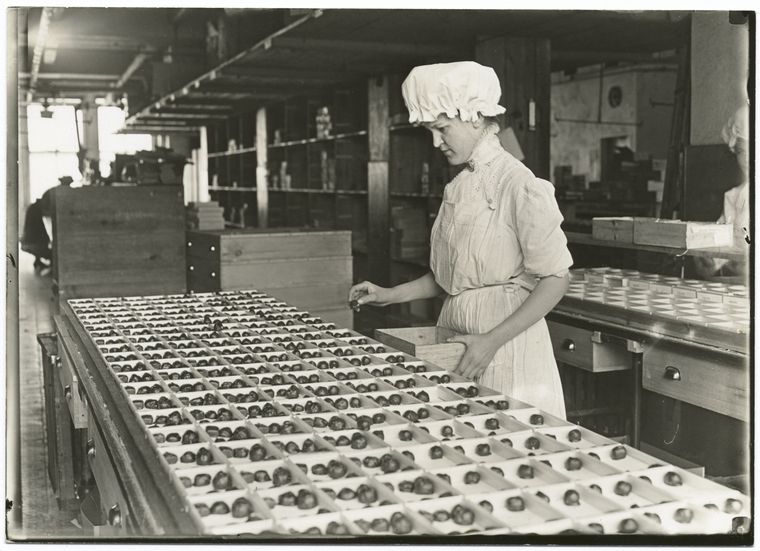
In the 19th century, the industrialization of candies began. The first machines for candy production were invented, allowing candies to be produced in larger quantities and at a lower cost. Candies became more accessible to the general public, and began to be mass-produced for sale in stores and supermarkets.
In the 20th century, candies became a staple food for children and adults. Candies are available in a variety of shapes, flavors, and textures, and are often associated with special events like Halloween and Christmas.
Nowadays, candies are still as popular, although they are often criticized for their high sugar content. However, many companies have started producing candies made from natural and low-sugar ingredients, in response to growing health concerns.
In conclusion, candies have a rich and complex history dating back to antiquity. They have evolved over the centuries, becoming increasingly accessible to the general public through industrialization. Today, candies remain a treat enjoyed by people of all ages, although they are sometimes criticized for their high sugar content. Nevertheless, candies continue to evolve to meet changing consumer preferences and health concerns.
The Invention of Candy