The tradition of Halloween dates back to ancient origins and has evolved over the centuries to become the celebration we know today. Here is a detailed explanation of the Halloween tradition:
Celtic Origins: The origin of Halloween can be traced back to ancient Celtic celebrations, particularly the festival of Samhain, which marked the end of summer and the beginning of the dark season of the year. The Celts, who lived mainly in what is now Ireland, the United Kingdom, and northern France, believed that during the night of Samhain, the veil between the world of the living and that of the dead thinned, allowing spirits to return to Earth.
Christian Influence: In the 7th century, the Roman Catholic Church attempted to incorporate Celtic beliefs into its own Christian tradition. November 1st was declared All Saints' Day, a day to honor saints and martyrs. The eve of All Saints' Day became known as All Hallows' Eve, which gradually transformed into "Halloween."
Migration and Evolution in the United States: Over the centuries, Halloween traditions evolved and spread to different regions of the world, particularly with the migration of Irish and Scots to the United States in the 19th century. In the United States, the holiday began to incorporate elements of local and indigenous cultures.
Trick-or-Treat: The custom of "trick-or-treat" emerged in the United States in the early 20th century. Children dressed in costumes and went from house to house asking for treats, threatening to play tricks if the owners did not give them candy.
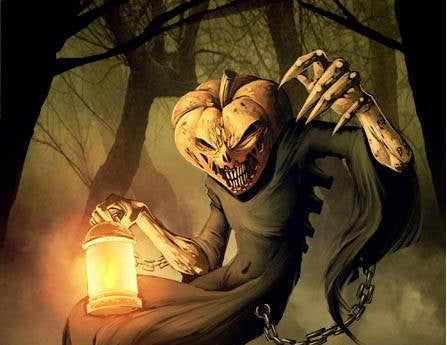
Costumes and Pumpkins: Halloween costumes were initially intended to trick wandering spirits and avoid being recognized by them. Carved pumpkins (or "jack-o'-lanterns") also have an ancient origin, based on an Irish legend about a character named Jack who was condemned to wander with a lantern after his death.
Modern Halloween: Over the years, Halloween has become a widely celebrated holiday, characterized by costumes, spooky decorations, parties, games, and activities for children. Homes are decorated with carved pumpkins, cobwebs, ghosts, and other Halloween symbols. Adults and children dress up as various characters, from monsters to superheroes to popular movie characters.
In summary, Halloween is a tradition that has evolved from ancient Celtic beliefs, incorporating Christian elements and then evolving with migrations and cultural influences in the United States and other parts of the world. Today, Halloween is a festive celebration that blends fun, creativity, and a touch of fright.