
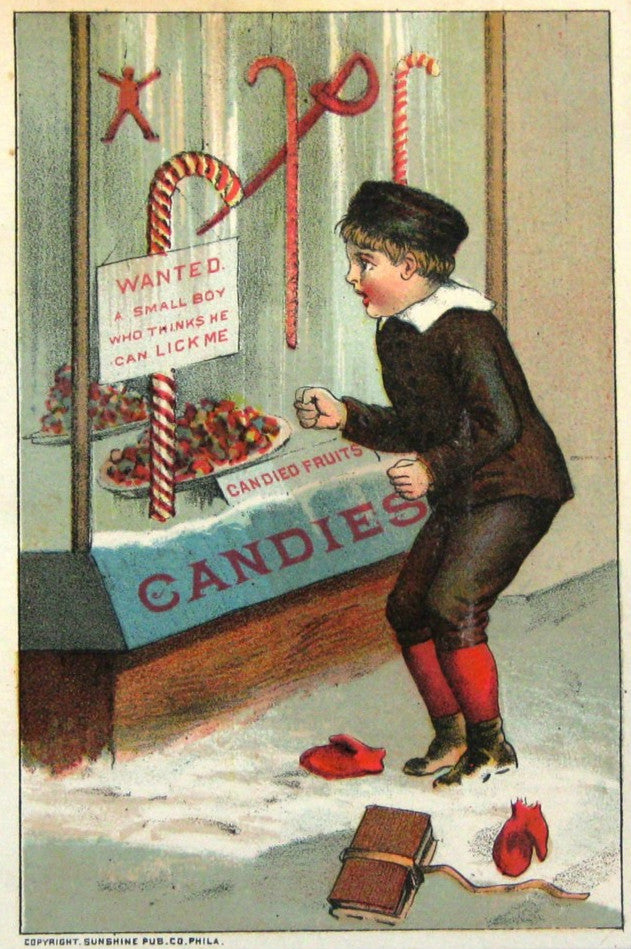
The history of the invention of the candy cane, also known as the sugar stick, dates back to the 17th century in Europe. Candy canes have become an iconic symbol of the holiday season, especially Christmas. Here's one version of the story of their invention:
The exact origin of the candy cane is shrouded in legends and myths, but one of the most popular stories goes back to the 17th century in Germany. At that time, hard, sweet candies were popular, but their shape and texture were very different from today's candy canes. It is said that German artisans began creating sugar sticks using a sweet paste that they shaped by hand to give them a curved cane shape.
The cane shape was reportedly inspired by several factors. Some say that the first candy canes resembled shepherd's crooks, in homage to the German pastoral tradition. Others claim that the shape recalled the shepherd's staff in the Christmas nativity scene, thus evoking the birth of Jesus, which would have given these sweets a religious significance.
The sugar stick was also associated with the Christmas season due to its red and white color, which recalled traditional Christmas colors. Furthermore, it is said that the first candy canes were peppermint-flavored, making them a popular winter treat.
Over the centuries, candy canes became more sophisticated, with increasingly pronounced red and white stripes. They gained popularity in Europe and the United States, particularly thanks to American confectioners in the 19th century.
Today, candy canes are a staple of the holiday season, often used to decorate Christmas trees and given as festive treats. They are available in a variety of flavors and colors, but the characteristic cane shape remains a symbol of the holiday season.